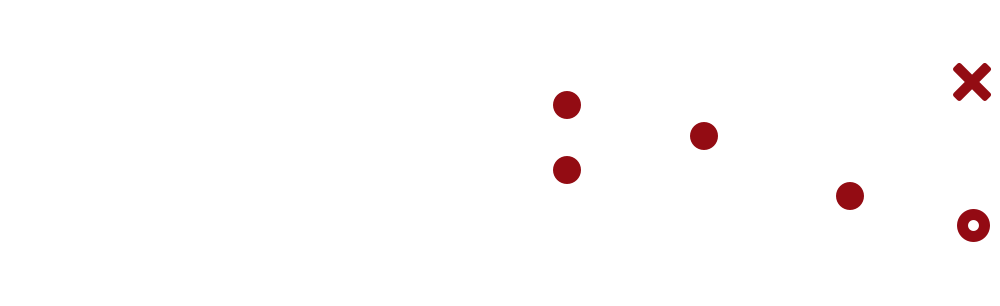
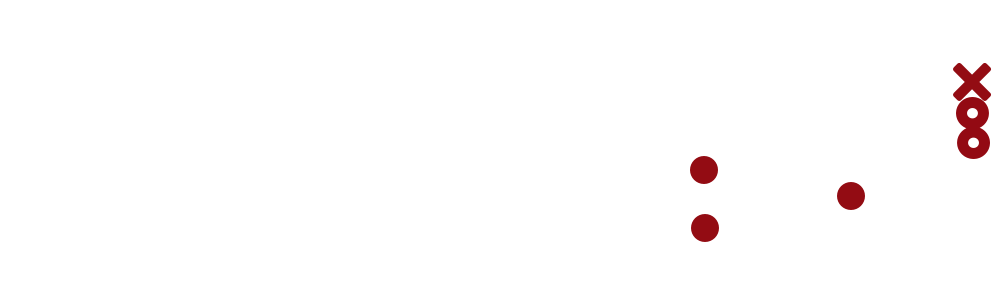
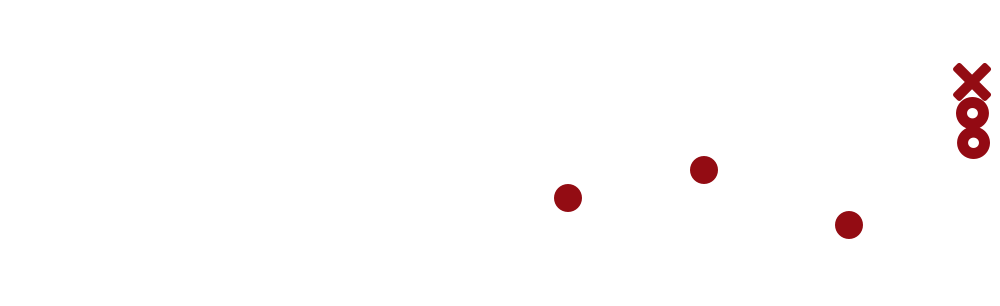
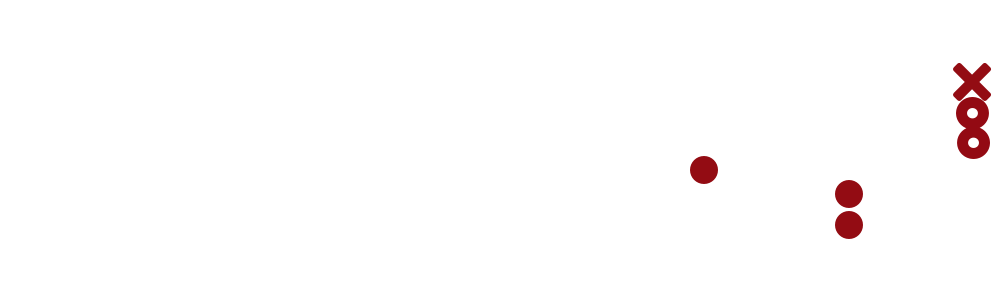
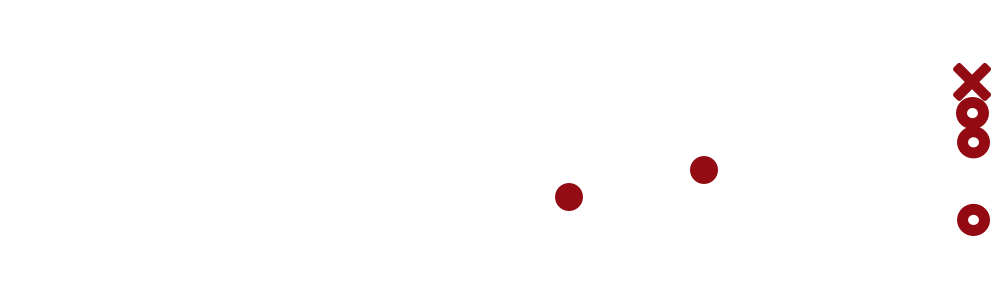
To hear a sounding of a chord and to view its fingering, click on the chord symbol. A cross on a string at the nut indicates that string should not be sounded, a circle indicates the string should be allowed to ring open.
The E Chord Shape (Primary)
These chords, often called 'Primary Barre' Chords, have their root on the 6th string. The index finger stretches right across the fretboard to clamp the strings at the starting fret allowing the chord shapes to be moved anywhere on the fretboard.










The A Chord Shape (Secondary)
These chords, often called 'Secondary Barre' Chords, have their root on the 5th string. The index finger stretches right across the fretboard to clamp the strings at the starting fret allowing the chord shapes to be moved anywhere on the fretboard.









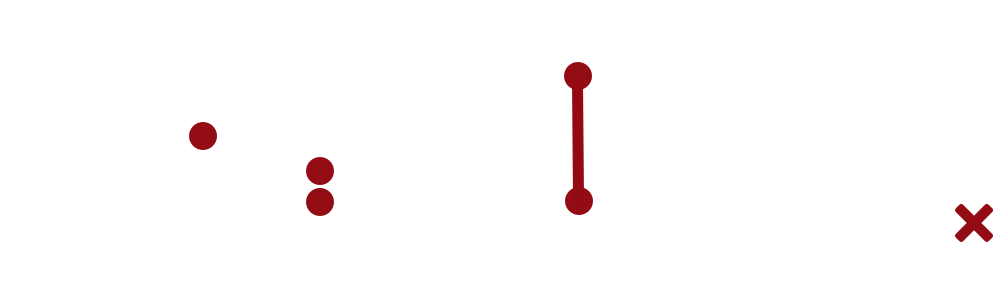

The D Chord Shape (Tertiary)
The chords have their root on the 4th string. They are harder to move around the fretboard - although the index finger can act as a barre, some of the shapes can become quite a stretch.





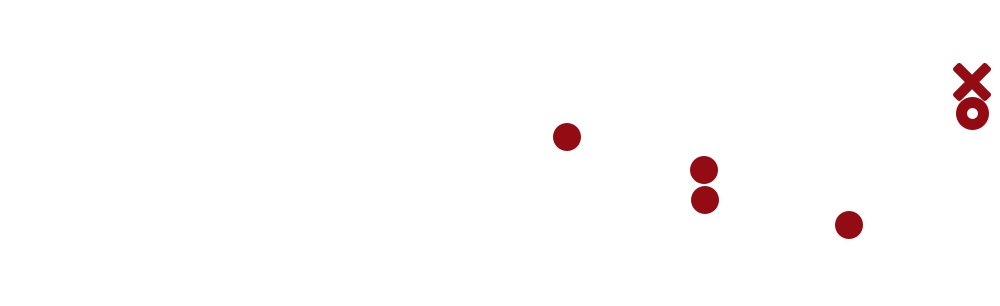
The G Chord Shape
Used heavily with capos, this family of chords have their roots on the 6th string. They are almost always played with the root at the (relative) third fret to allow the open strings to be played.

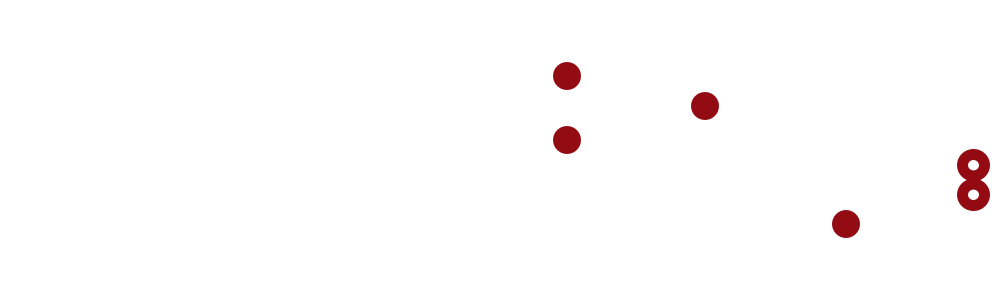

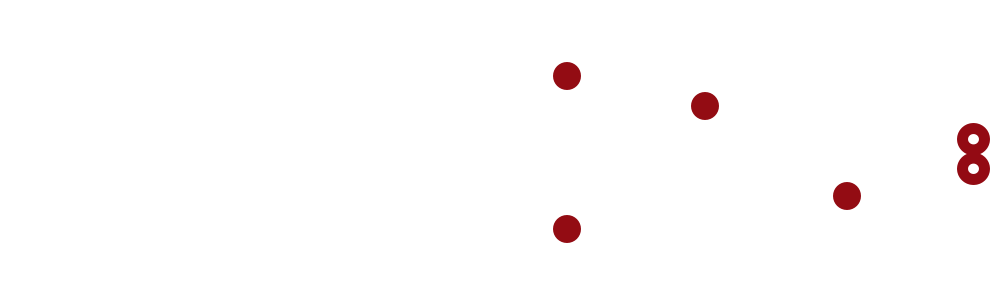

The C Chord Shape
This family of chords is related to the 4th string root chords - the difference being they have been moved down two frets. As a result of this movement, the notes sounded by the 'open' 4th and 5th strings of the 4th String Root Chords must now be fretted and the root is now on the 5th string.